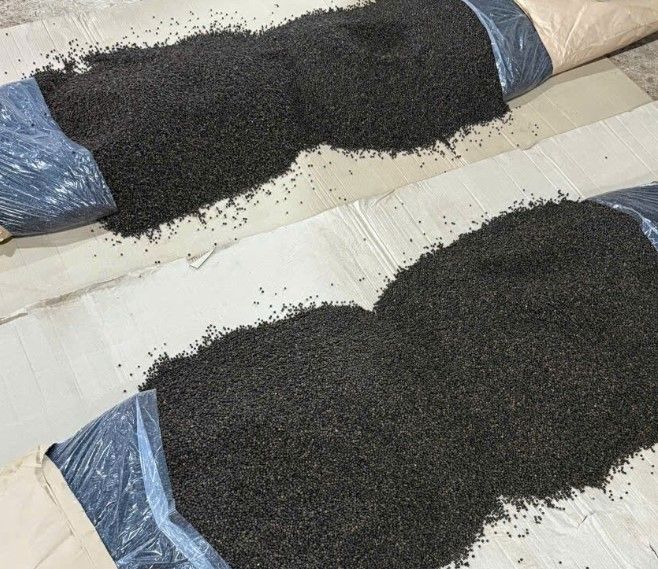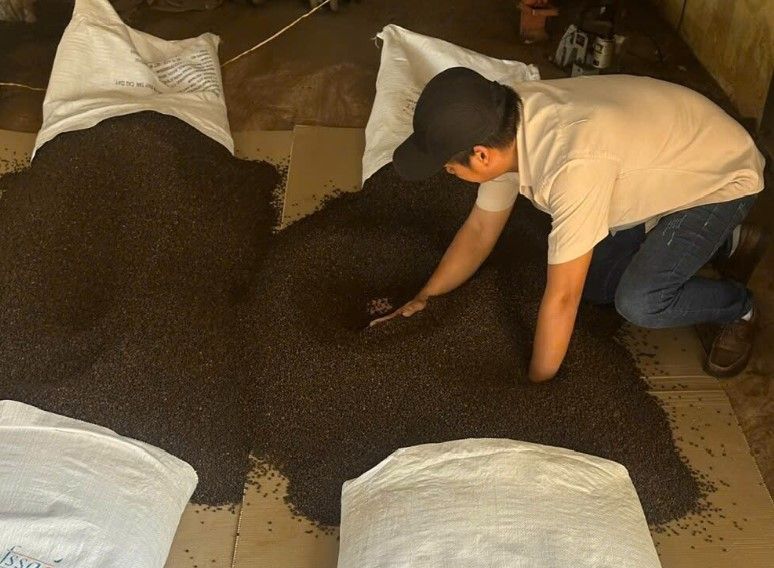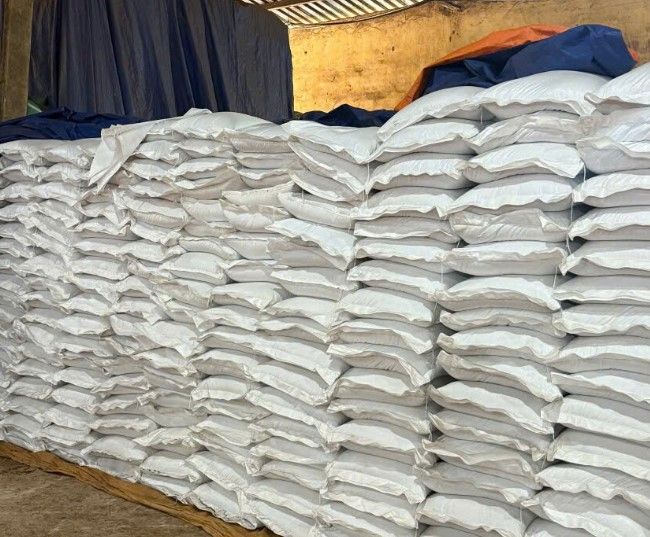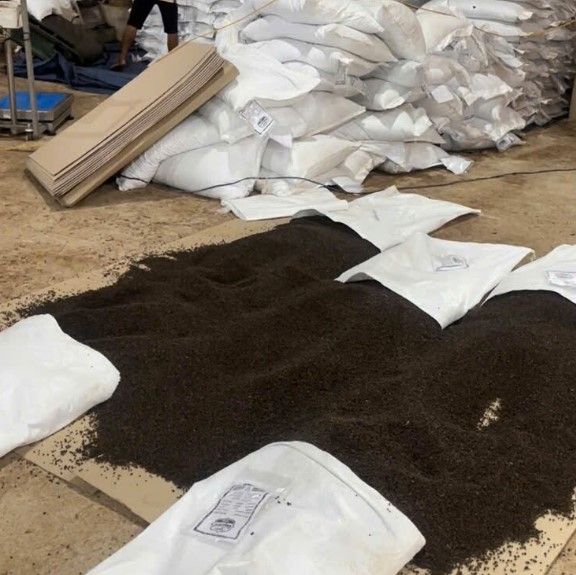

pepper
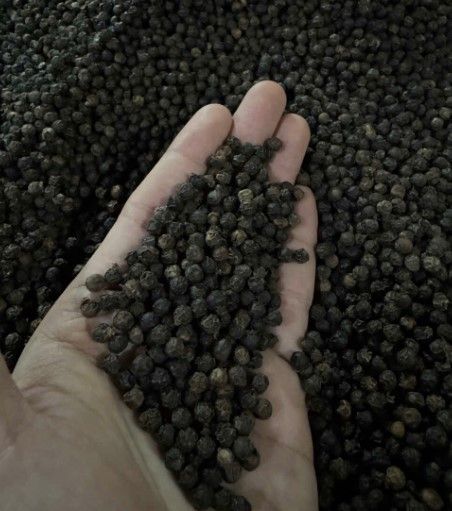
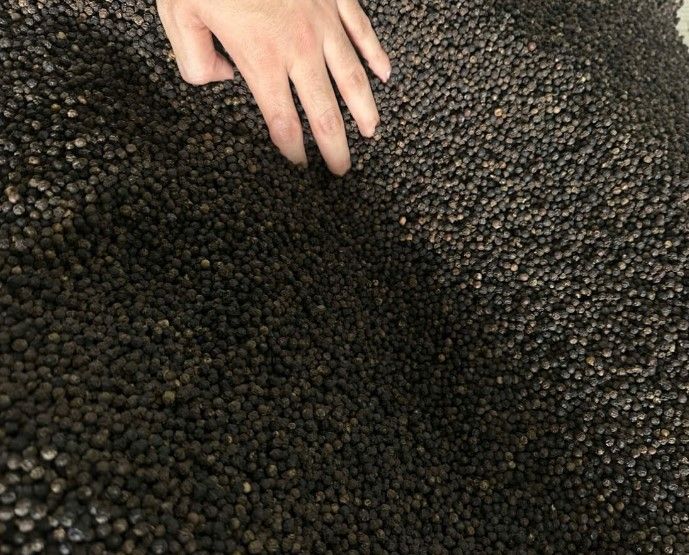
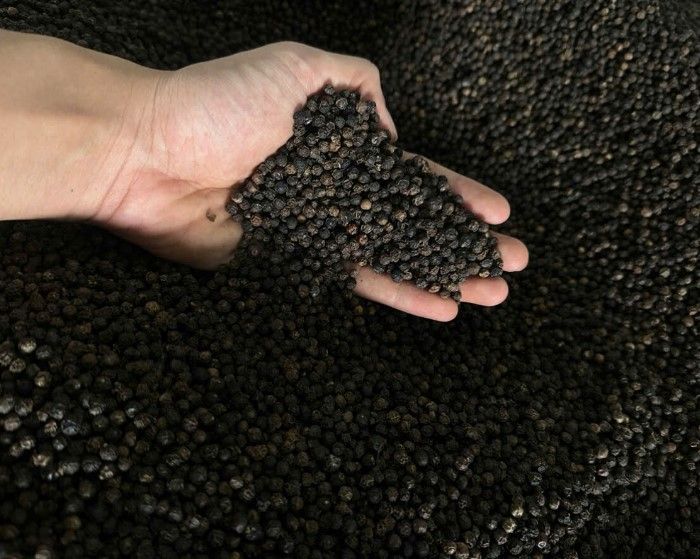
Black pepper is the fruit of the pepper plant, a herbaceous vine. It is known as the “king of spices” due to its distinctive pungent flavor and wide range of applications in both culinary and medicinal uses.
HGVINA, a leading pepper supplier from Vietnam.
The price list for black pepper is updated daily by HGVINA company.
| Type of Goods | Type | Unit | Price (VNĐ) |
|---|---|---|---|
| FAQ | 500 | kg | 156.000 |
| FAQ | 550 | kg | 165.000 |
| CLEAN | 500 | kg | 170.500 |
| CLEAN | 550 | kg | 175.000 |
| CLEAN | 5MM | kg | 180.500 |
- The price list is valid for today.
- The final price will be agreed upon by both parties at the time of negotiation.
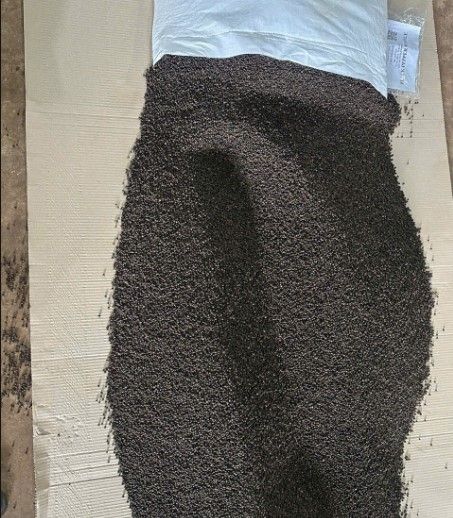
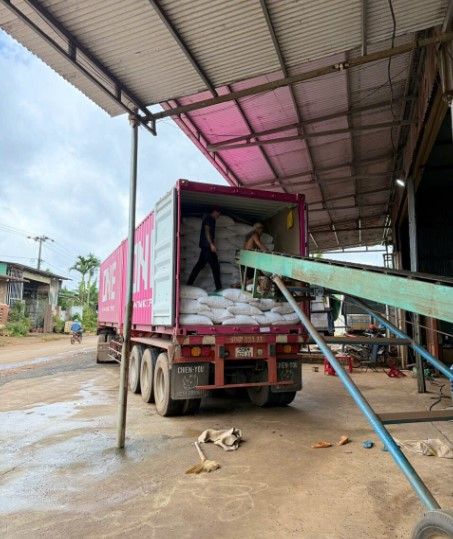
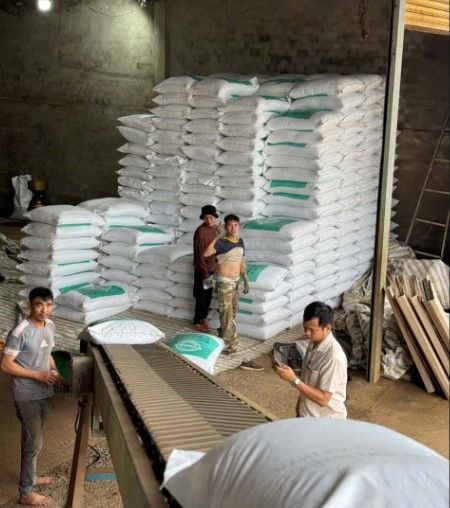
- Packaging: PP bags (25kg, 50kg)
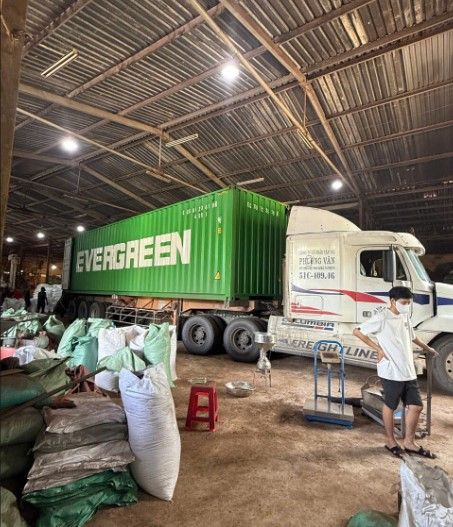
- Container: 20 feet or 40 feet
Below are the standard steps from harvesting to packaging for export:
1. Harvesting and Initial Processing (At the farm/dealer)
Harvesting: Choose a time when about 5-10% of the chili clusters are ripe (yellow or red for black peppers) to ensure plumpness and piperine content. Harvest by hand to avoid bruising.
Seed Separation: Use a seed separator to separate the seeds from the clusters.
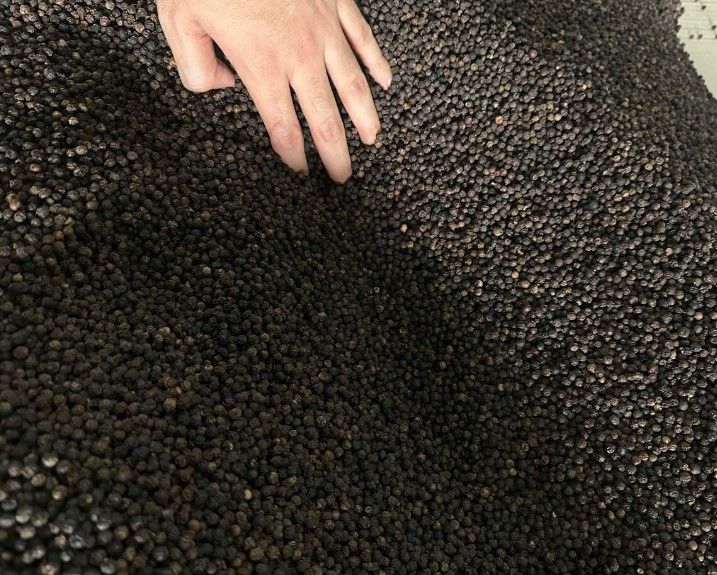
Preliminary Drying: After seed separation, the chili peppers are air-dried on clean tarpaulins (not directly on the ground) or machine-dried to reduce moisture content to about 12% – 13%. At this stage, the chili skins shrink and turn a characteristic black color.
2. Cleaning and Mechanical Sorting (At the factory)
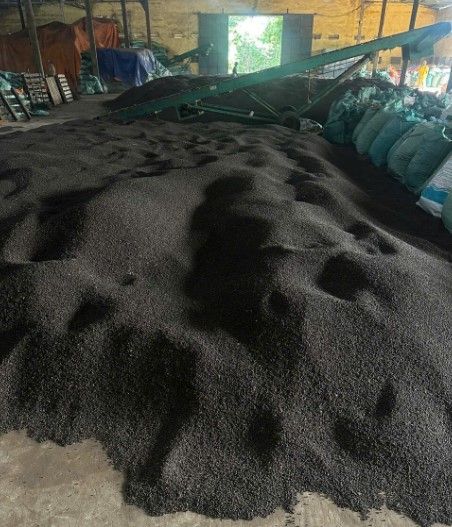
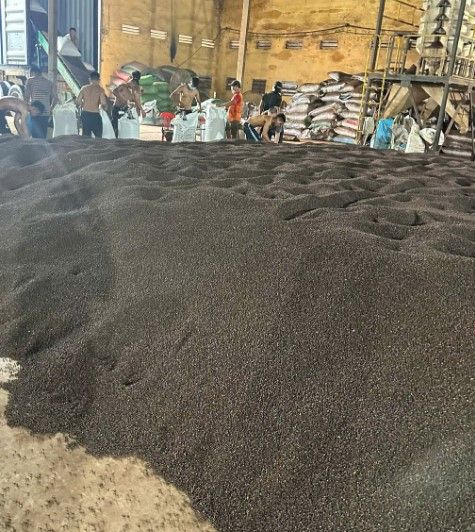
Impurity screening: Raw pepper is passed through a flat screening system and a light impurity screening system (fan-assisted) to remove leaves, branches, soil, sand, stones, and broken or shriveled grains.
Size sorting (Grade screening): Using sieves with different hole sizes (usually from 4.5 mm to 5.5 mm) to grade pepper grains by size (in millimeters), serving different contract requirements.
Weight sorting (Density table): Pepper passes through a density table to remove hollow or light grains, ensuring that exported pepper meets the standard density (e.g., 500 g/l, 550 g/l, or 570 g/l).
Metal impurity removal: The pepper is passed through a system of permanent magnets or a metal detector to remove any remaining metal fragments.
3. Sterilization and Microbiological Treatment
This is an extremely important step to meet the standards of demanding markets such as the US (ASTA) or Europe (ESA).
Steam Treatment: Pepper is steamed with high-pressure steam for a short time (a few tens of seconds). This process completely destroys harmful bacteria and microorganisms (especially Salmonella and E. coli) without losing the natural flavor and essential oil content of the pepper.
Re-drying: After steaming, the pepper is immediately transferred to a fluidized bed drying system to quickly reduce the moisture content to a safe level (below 12.5%), preventing re-contamination.
4. Quality Control (QC) before packaging:
Before moving to the packaging stage, the QC department will take samples and strictly check the following parameters:
- Sensory: Characteristic color, aroma, and taste; no mold or strange odors.
- Physical: Moisture content (≤ 12.5%), specific gravity (g/l), impurity rate (≤ 0.2% – 0.5%), broken grain rate.
- Physicochemical &Microbiological: Check for pesticide residues (if necessary), piperine content, essential oils, and negative test results for Salmonella.
5. Export Packaging
Packaging specifications must ensure protection from moisture and tearing, and maintain the quality of the pepper throughout the long sea transport process.
Common packaging materials:
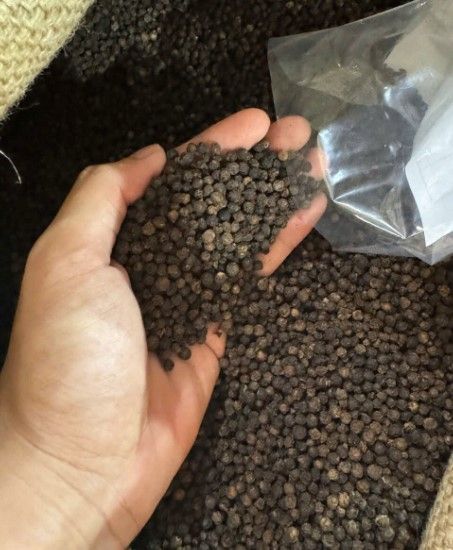
- PP/PE (Polypropylene) bags: Usually 2-layer bags (outer woven PP layer for increased durability, inner PE layer for moisture resistance). Typical net weight: 25 kg or 50 kg/bag.
- Kraft paper bags: Multi-layered, environmentally friendly, often used for the high-end segment or the European market.
Packaging process:
- Automatic weighing using a machine to ensure accurate net weight.
- Sewing the bag opening (for PP bags) or heat sealing (for the inner PE layer).