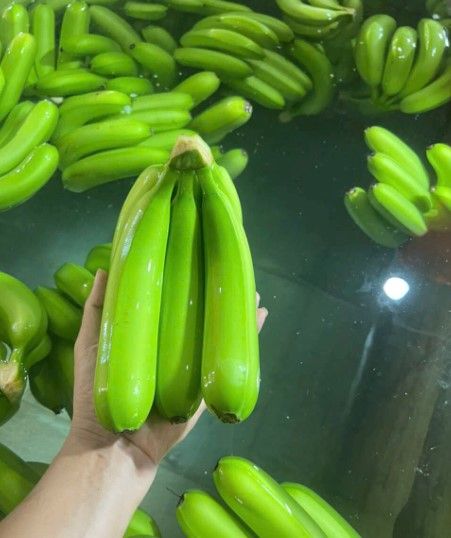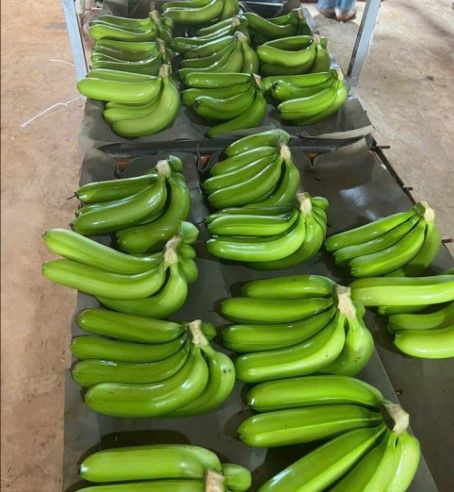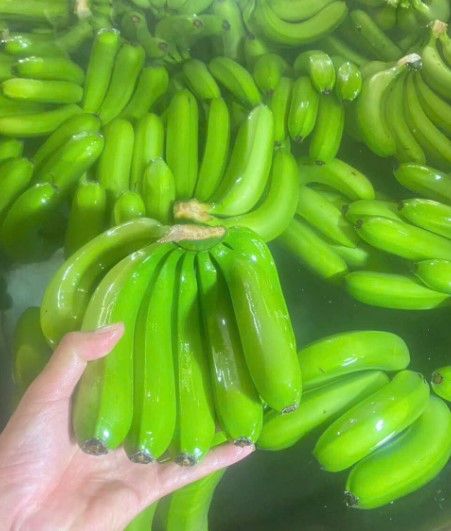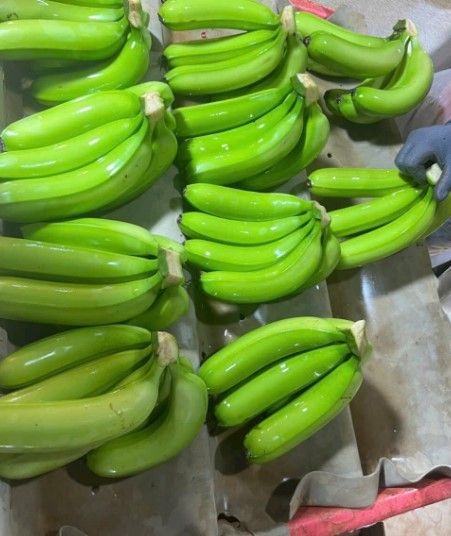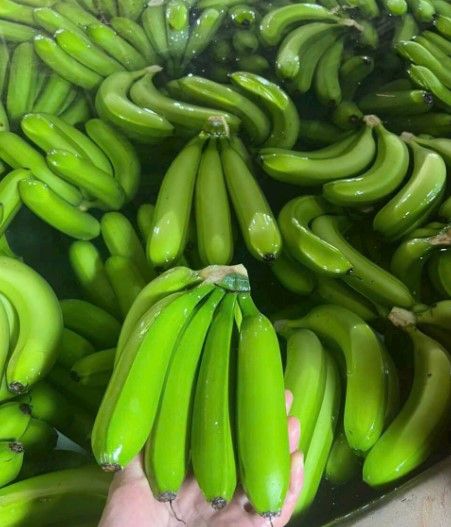

Cavendish Bananas
The Cavendish is the most widely traded banana in the world and accounts for more than 90 percent of commercial international volume, thanks to its tolerance of long distance transport and its consistent eating quality.
HGVINA is a leading Cavendish banana supplier from Vietnam.
Our banana price list is updated daily.
| Product | Grade | Finger length | Finger diameter | Price (VND) |
|---|---|---|---|---|
| Cavendish banana | A | 17 cm to 25 cm | 34 mm to 46 mm | 15,000 per kg |
| Cavendish banana | B | 15 cm to 18 cm | Not specified | 13,000 per kg |
- The price list above is valid for today only.
- The final price is agreed by both parties at the time of negotiation.
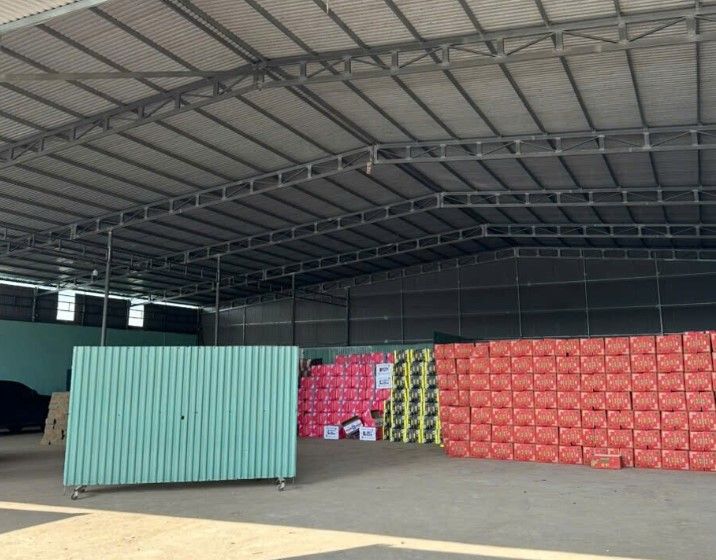
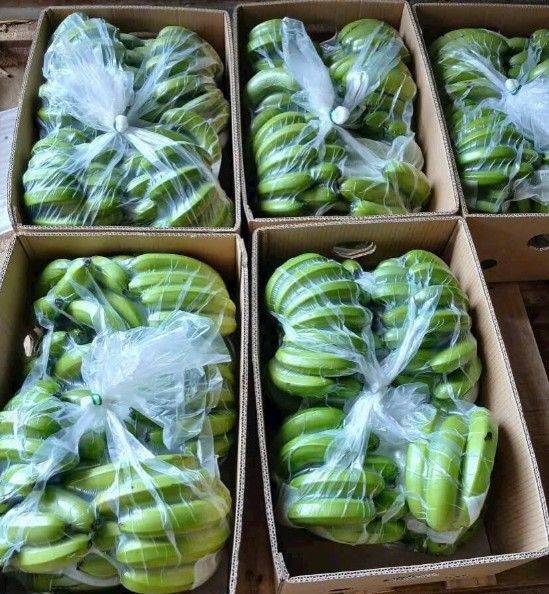
- Packing of 13 kg to 14 kg per carton, holding 4 to 5 clusters.
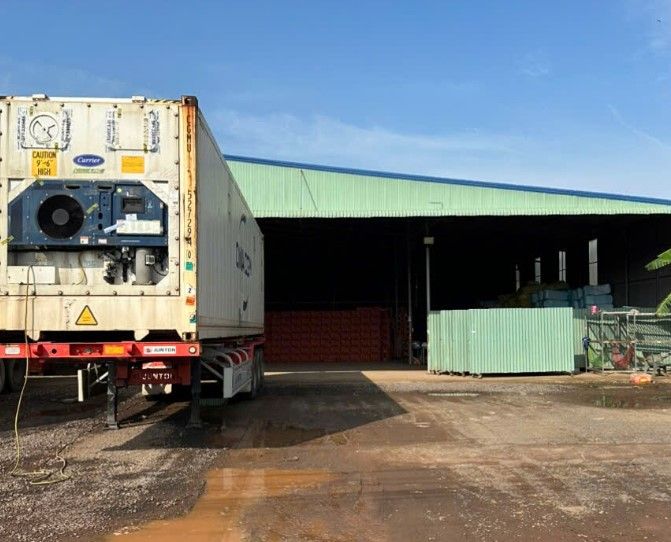
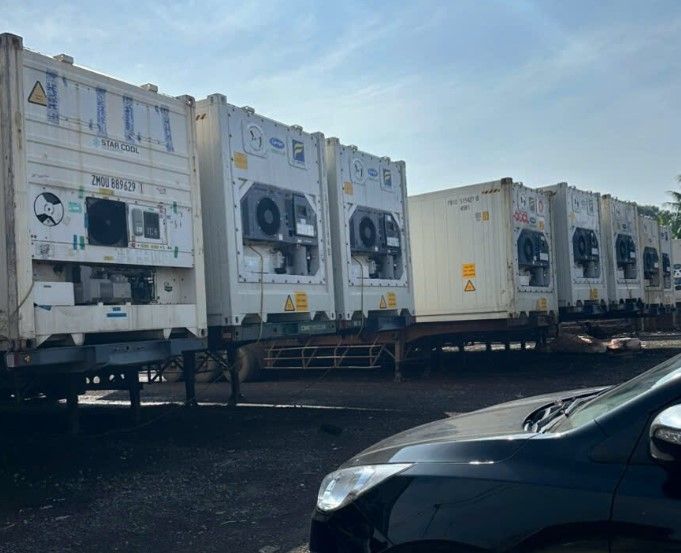
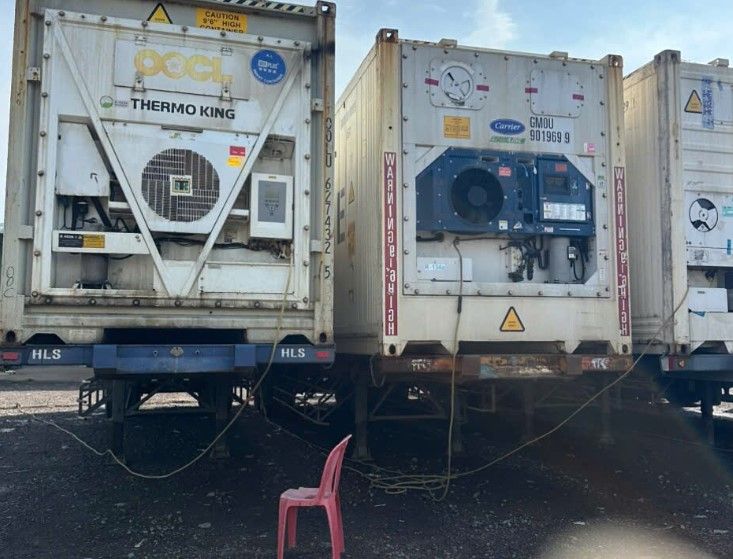
- Shipped in 40 foot refrigerated containers.
How we produce and pack bananas for export.
1. Harvest and delivery to the packhouse
In the field
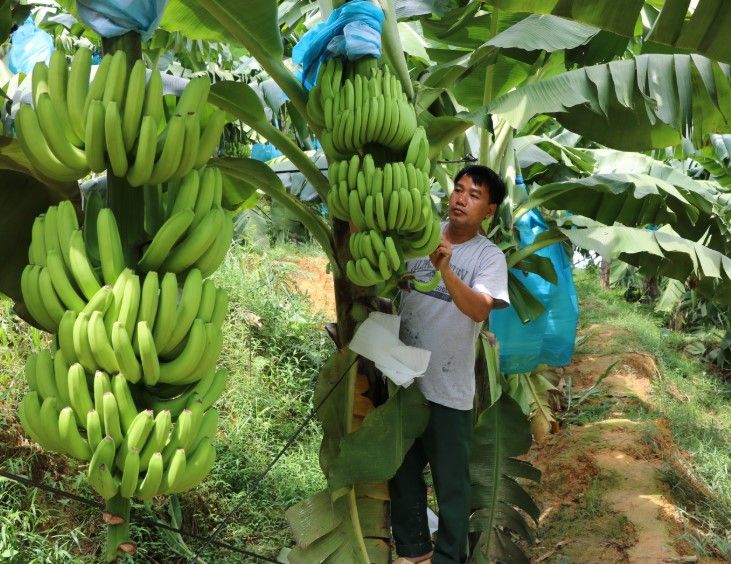
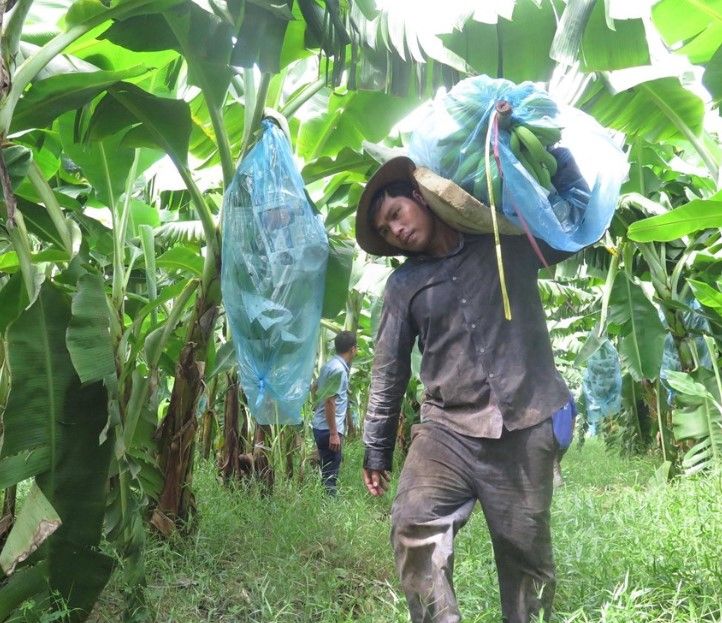
- We cut when the bunch has reached roughly 75 to 85 percent maturity, with the exact point set by the destination market and the length of the voyage.
- The whole bunch is cut and never allowed to touch the ground. Bunches travel to the packhouse suspended from an overhead cable system, which avoids the knocks that mark the peel.
2. Dehanding and latex removal in the first tank
- Bunches are lowered and workers use dedicated knives to separate each hand from the stem.
- The hands go straight into the first tank of clean circulating water for 15 to 20 minutes. This draws the latex out of the cut crowns and stops it staining the peel.
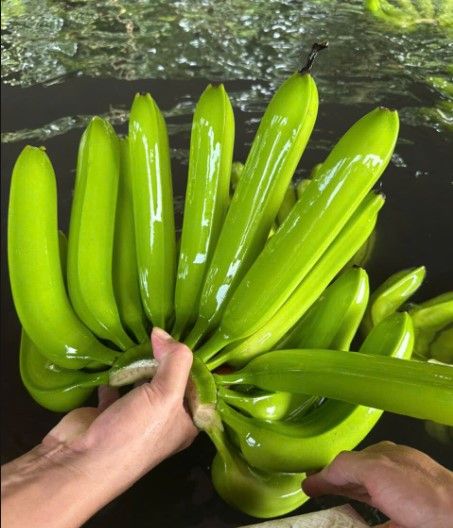
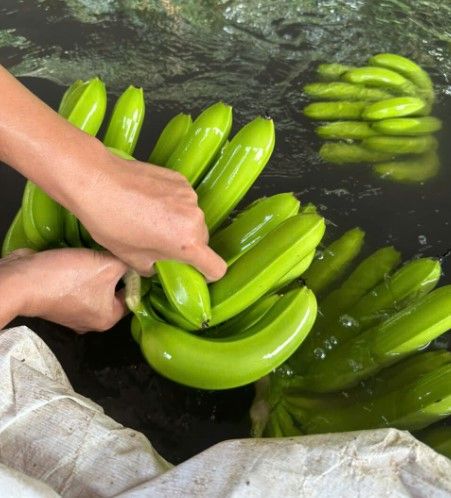
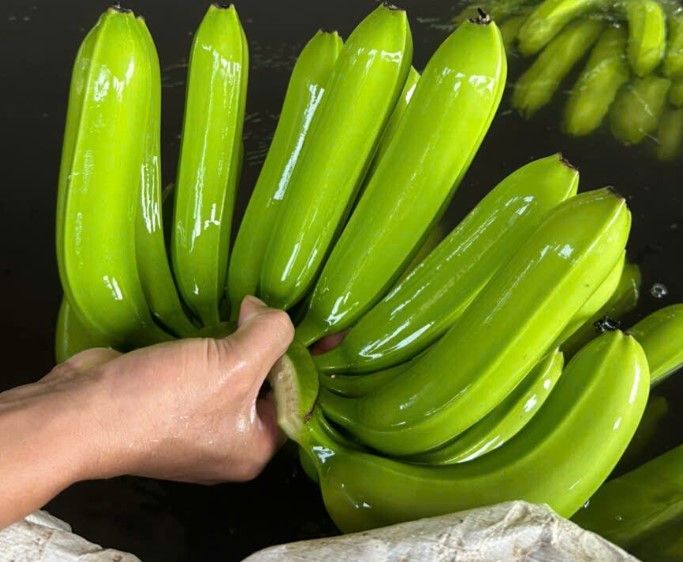
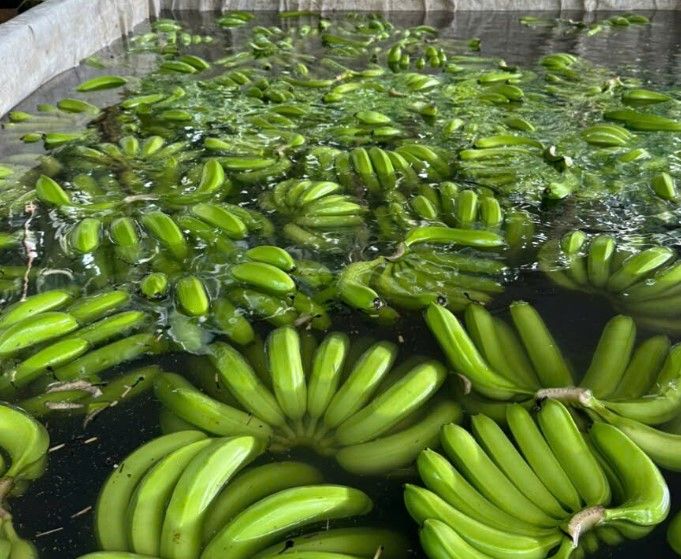


3. Treatment and selection in the second tank
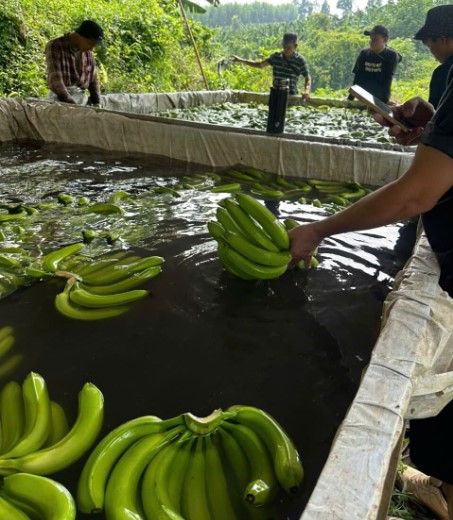
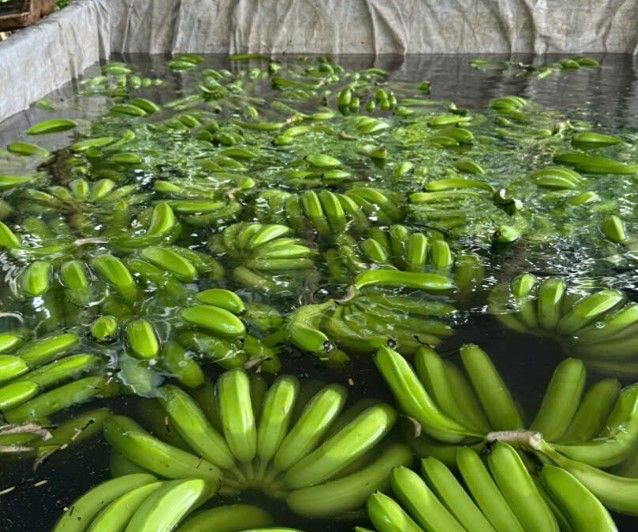
- The fruit moves to a second tank holding a mild disinfectant and an approved post harvest fungicide, always drawn from the permitted list of the importing country.
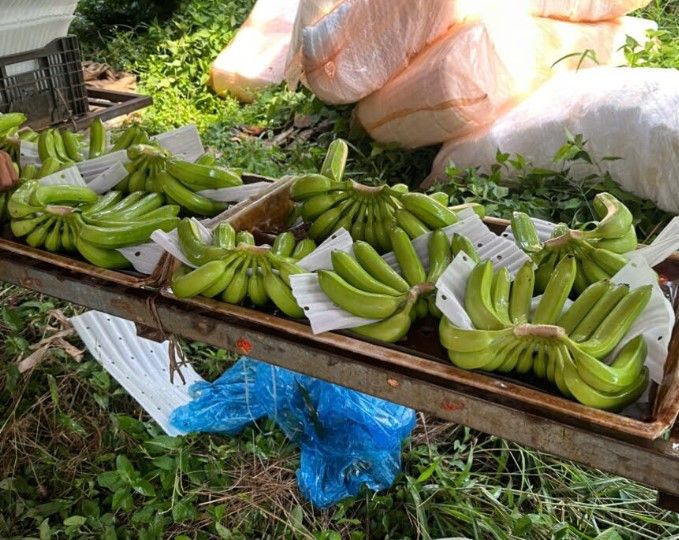
- Here our team removes any damaged, diseased or undersized fruit, then divides the hands into clusters of 4 to 8 fingers according to the packing specification.
4. Packing
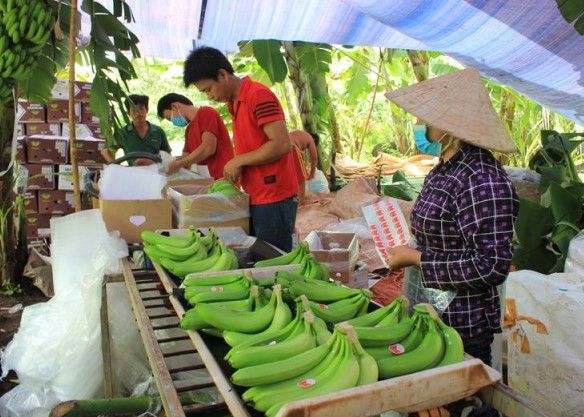
- A polyethylene liner, usually perforated or designed for vacuum sealing, is placed inside the carton.
- Clusters are laid in the carton in two or three layers, with foam or paper between layers so the fruit cannot rub in transit.
- The liner is sealed where the voyage is long, and the carton is closed firmly. Every carton carries ventilation holes so air can move through the pallet.
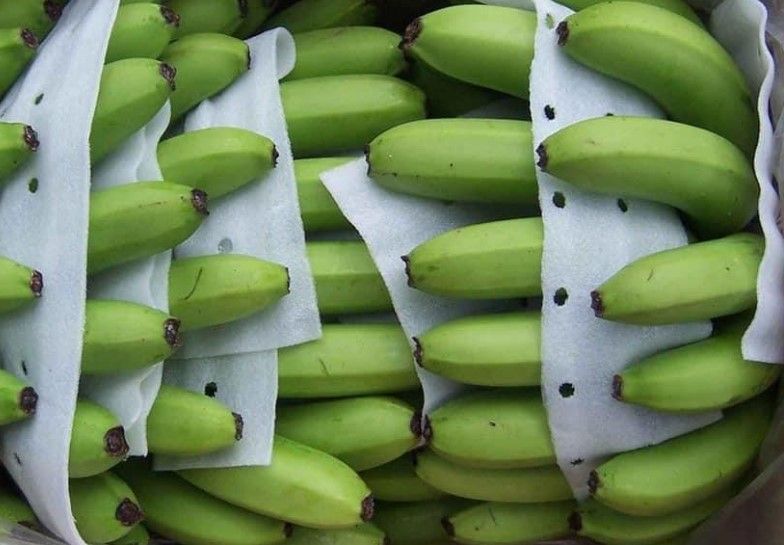
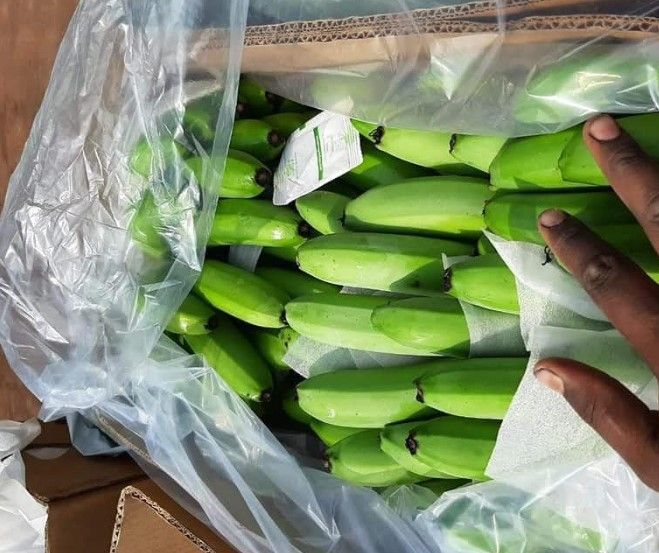
5. Cold storage and shipping
- Pallets move quickly into cold storage where temperature is brought down to between 13 and 13.5 degrees Celsius at 85 to 90 percent relative humidity.
- One point matters above all others. Temperature must never fall below 11 degrees Celsius, which causes chilling injury and stops the fruit ripening, and it must never be allowed to rise, which starts ripening at sea. That temperature is held continuously in the reefer container for the whole voyage.