
Black Pepper
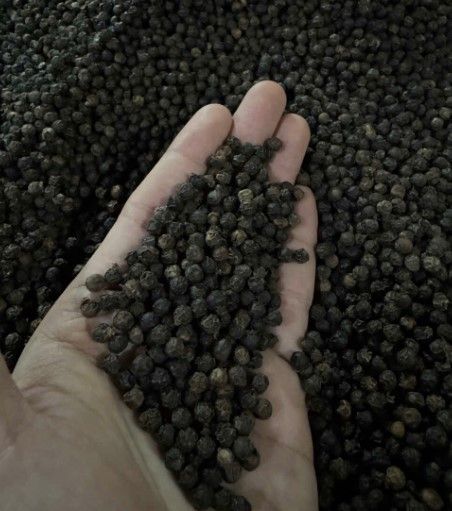
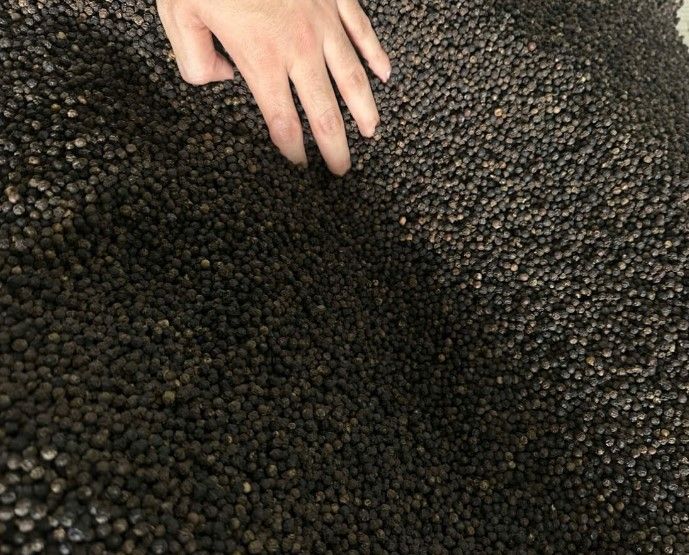
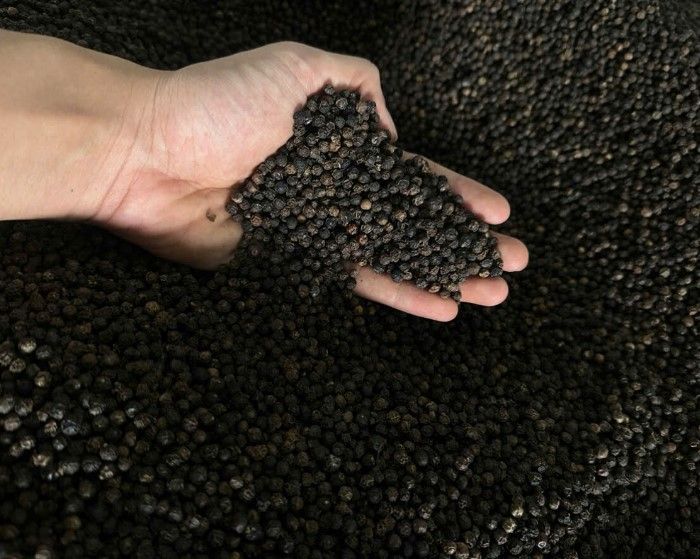
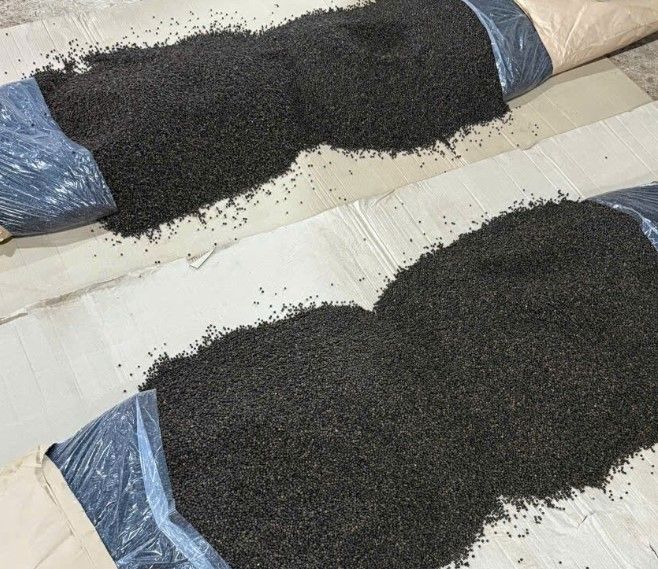
Black pepper is the fruit of the pepper vine, a perennial climbing plant. It is known as the king of spices for its distinctive pungency and its wide use in both cooking and traditional medicine.
HGVINA is a leading black pepper supplier from Vietnam.
Our black pepper price list is updated daily.
| Type of goods | Grade | Unit | Price (VND) |
|---|---|---|---|
| FAQ | 500 g/l | kg | 156,000 |
| FAQ | 550 g/l | kg | 165,000 |
| CLEAN | 500 g/l | kg | 170,500 |
| CLEAN | 550 g/l | kg | 175,000 |
| CLEAN | 5 mm | kg | 180,500 |
- The price list above is valid for today only.
- The final price is agreed by both parties at the time of negotiation.
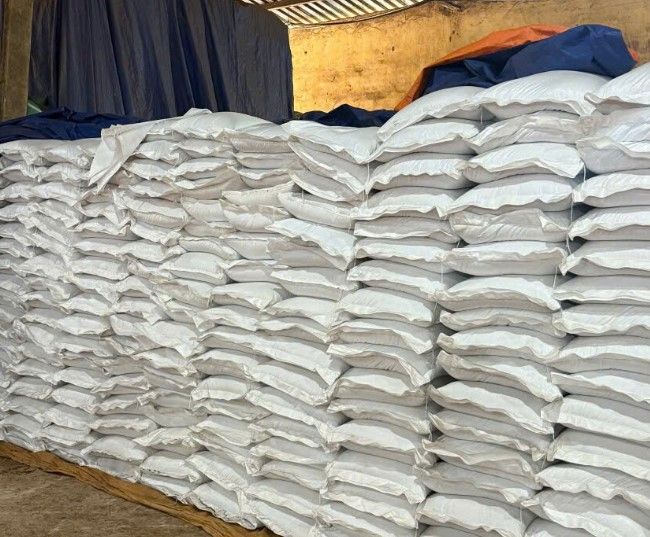
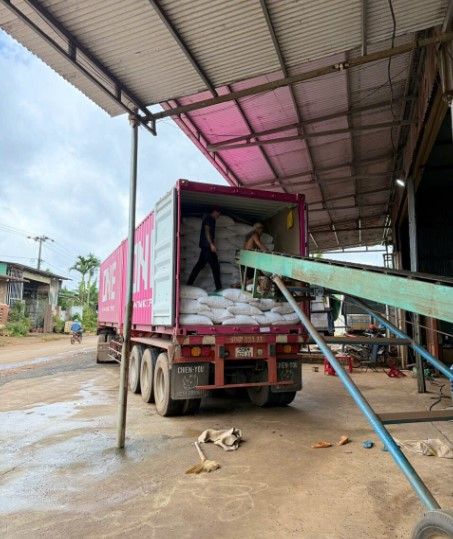
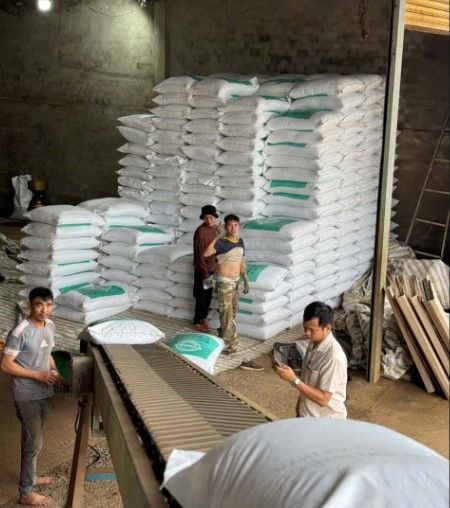
- Packing in PP bags of 25 kg or 50 kg.
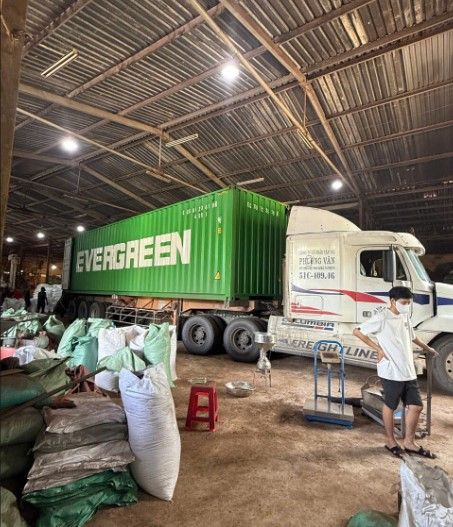
- Shipped in 20 foot or 40 foot containers.
Below are the standard steps we follow from harvest through to export packing.
1. Harvesting and first stage handling at the farm
We harvest once roughly 5 to 10 percent of the berries on each spike have turned colour, which is the point at which the berries are plump and piperine content is at its peak. Picking is done by hand so the fruit is not bruised.
The berries are then stripped from the spikes on a threshing machine.
After threshing, the pepper is sun dried on clean tarpaulins, never directly on the ground, or dried by machine, until moisture falls to around 12 to 13 percent. At this stage the skin shrinks and takes on its characteristic black colour.
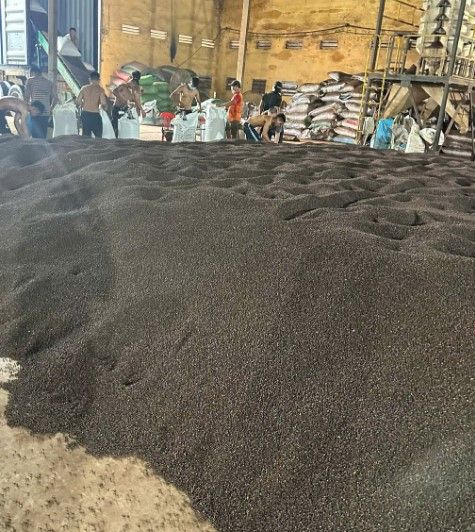
2. Cleaning and mechanical grading at the factory
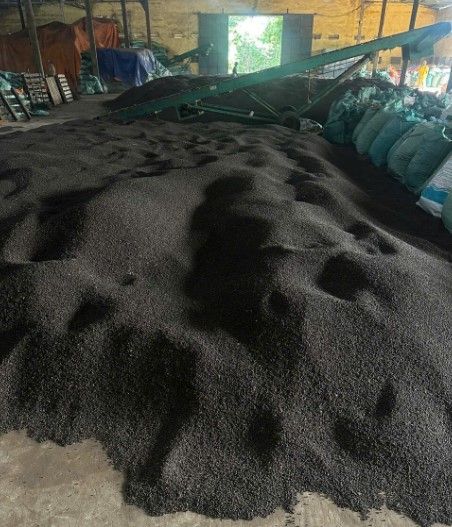
Raw pepper passes through a flat screen and an aspiration system that lifts out leaves, stalk, soil, sand, stones and any broken or shrivelled berries.
Sieves of different aperture, normally between 4.5 mm and 5.5 mm, grade the berries by size in millimetres to match the requirements of each contract.
A gravity table then removes hollow and light berries so that the pepper meets the contracted bulk density, commonly 500 g/l, 550 g/l or 570 g/l.
Finally the pepper passes a bank of permanent magnets and a metal detector to remove any remaining metal fragment.
3. Sterilisation and microbiological treatment
This step is what allows our pepper to enter demanding markets that work to ASTA standards in the United States or ESA standards in Europe.
The pepper is exposed to high pressure steam for a matter of seconds. The treatment eliminates harmful bacteria and micro organisms, in particular Salmonella and E. coli, without stripping the natural aroma or the volatile oil content.
Immediately after steaming, the pepper moves to a fluidised bed dryer that brings moisture back down to a safe level below 12.5 percent, which prevents any recontamination.
4. Quality control before packing
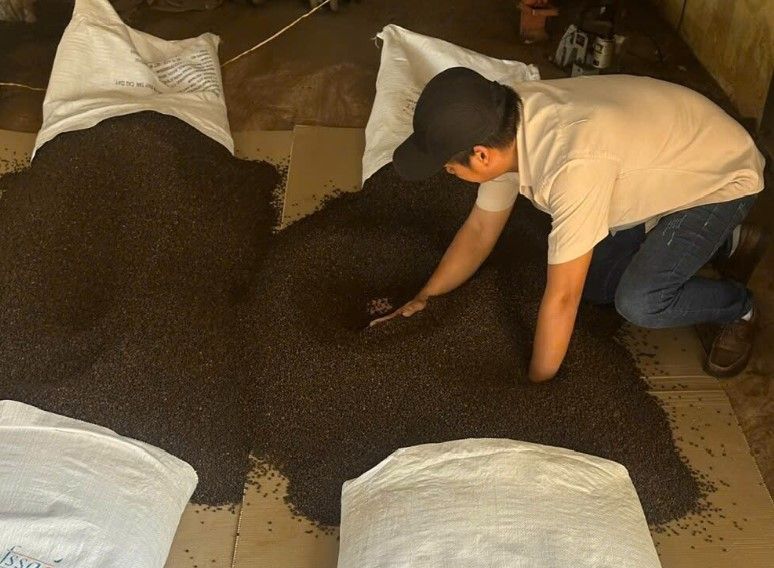
Before anything is packed, our quality team draws samples and checks the following.
- Sensory assessment. Characteristic colour, aroma and taste, with no mould and no foreign odour.
- Physical assessment. Moisture at or below 12.5 percent, bulk density in g/l, foreign matter at or below 0.2 to 0.5 percent, and the proportion of broken berries.
- Chemical and microbiological assessment. Pesticide residue screening where required, piperine and volatile oil content, and a negative Salmonella result.
5. Export packing
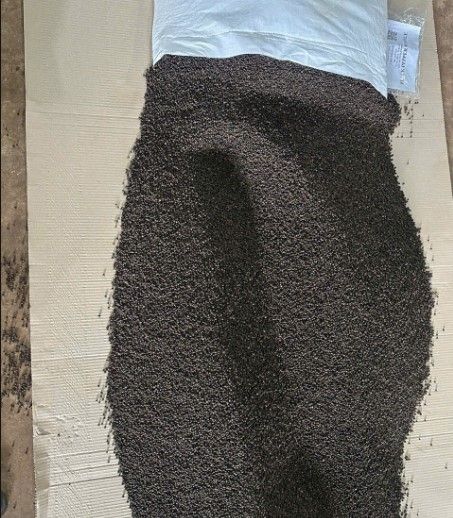
Packing has to keep moisture out, resist tearing and hold quality through a long sea voyage.
Materials we commonly use
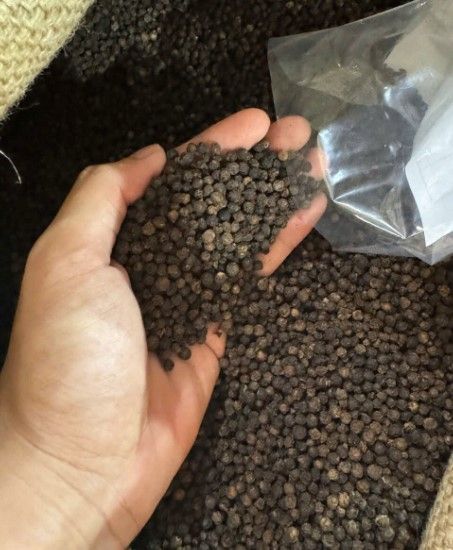
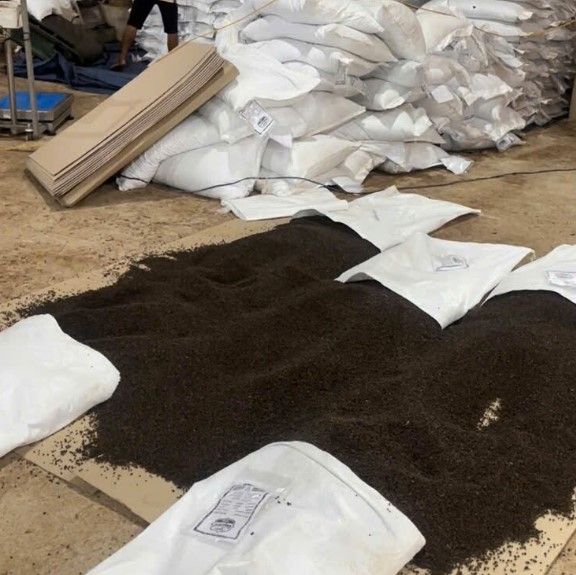
- PP and PE bags. Normally a two layer construction, with a woven PP outer for strength and a PE liner for moisture resistance. Standard net weight is 25 kg or 50 kg per bag.
- Multi wall kraft paper bags. Environmentally friendly and generally specified for premium buyers and the European market.
How we pack
- Automatic weighing so that net weight is accurate on every bag.
- Machine stitched bag mouths for PP sacks, or heat sealing for the PE liner.